
JULITH
JULITH is an artist unafraid to confront the uncomfortable. With her debut EP This Is A Kindness, she explores healing, accountability, feminine rage, and radical honesty through genre-defying music and deeply personal storytelling. Born from a need for artistic freedom and emotional truth, JULITH represents a fearless new chapter in her creative journey.
In this interview, she opens up about the origins of her project, the cathartic energy behind her single “Right From Left” the power of vulnerability in songwriting, and how her advocacy work continues to shape both her life and her art.
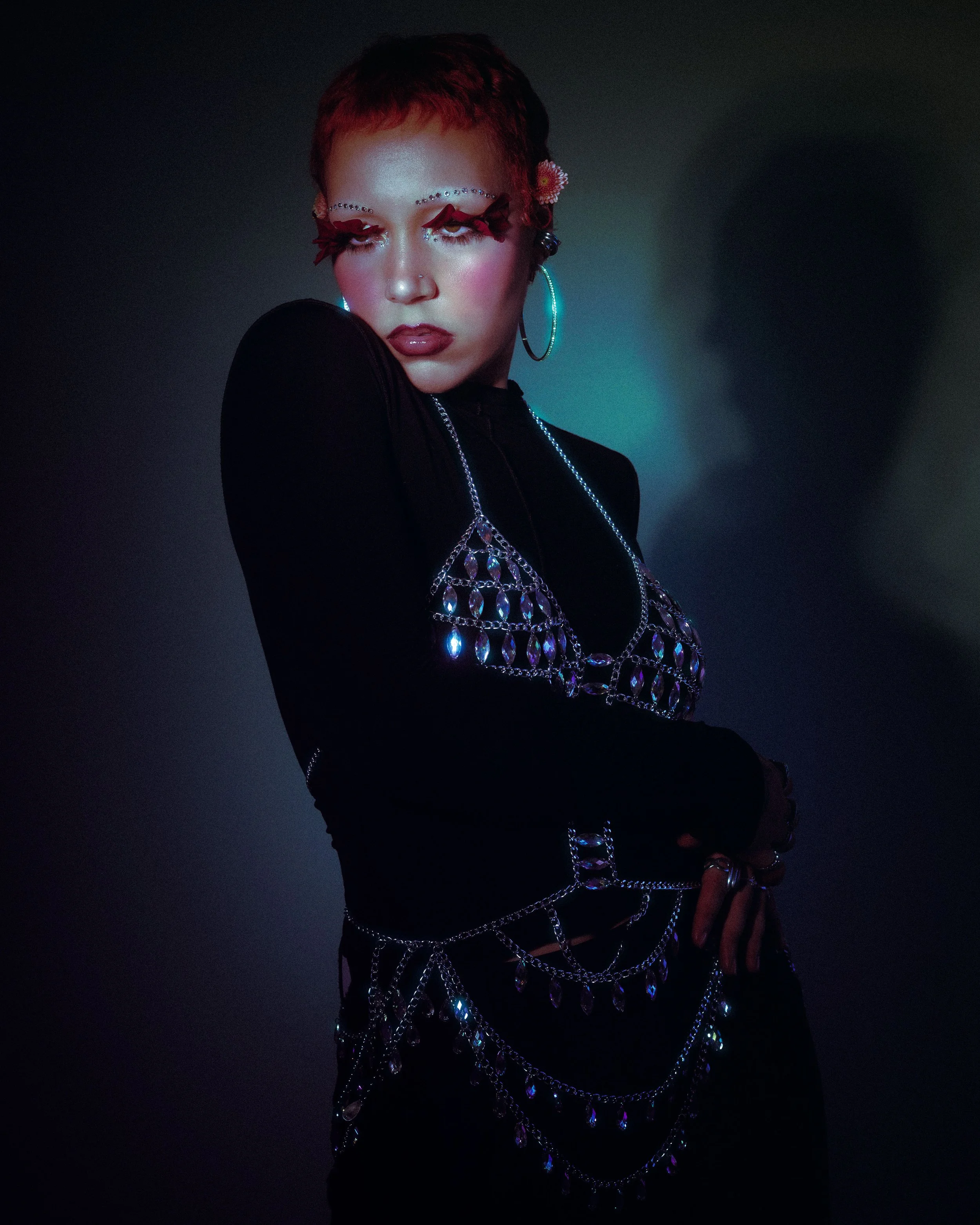
Photo credit: Emily Entz
What’s your story? How did JULITH come to life, and what inspired the shift from performing under your given name to embracing this new artistic identity?
JULITH was born through the making of my EP This Is A Kindness. I think this batch of music feels like the freest version of myself. Performing for years under my given name brought so many beautiful experiences, and it also really showed me how important it is for my creativity to have separation between myself and the art. JULITH is the fearless and unapologetic side of myself, and she deserves her own chapter.
“Right From Left” feels sharp, cathartic, and unapologetic. Was there a specific moment or experience that sparked the creation of this song?
I was in the session ranting about the connection between authority and abuse of power. We were discussing the dynamic where the moment human beings are exposed to power, something shifts within us and it goes to the head. My example of the day was the PPA (Philadelphia Parking Authority), who terrorize the city unchecked. Fresh off of multiple tickets, I was feeling feral and the song came to life.
You speak about unsolicited opinions and societal pressure in “Right From Left.” How have you learned to trust your own inner compass despite outside noise?
Man if you figure out the secret, let me know! Haha, honestly I think it’s just a practice. The noise is so loud and many of the opinions are SO wrong. I think just being aware of that is half the battle. I’ve spent a lot of time getting to really know parts of myself over the last 18 months since making this project, which has helped me define my personal values. Those values are now a roadmap for when the external gets chaotic. Knowing what I believe in is what keeps me grounded, and allows me to appreciate where other people are coming from without caving in on myself.
Your debut EP This Is A Kindness explores healing and accountability. What does “kindness” mean to you in this context?
I love this question. When making the project, I was thinking a lot about the difference between “nice” and “kind.” I used to strive to be nice and ‘palatable,’ which always devolved into people-pleasing, self-abandonment, resentment, shame, and inevitably rage. What’s the point of that? I realized that for me, being truly kind means being honest—being thoughtful, curious, understanding, and firm in one’s expression. Healing and accountability only happen when all of those things are present. This project is nothing if not honest, and it is in the expression of that honesty where kindness lives, even when it stings.
Your work carries themes of feminine rage, strength, and radical honesty. How do you balance vulnerability and power in your songwriting?
I’m starting to believe that power lies within vulnerability, which is so cheesy but I fear it is true. The more vulnerable and honest I get when I write and perform, the more empowered I feel throughout the process. I think as human beings we all want to be seen and heard, and for me being vulnerable with and committing to seeing and hearing myself scratches that itch- to the point where I don’t feel the need to look outside of myself as much. Crazy how that works!
You’ve shared that you began writing poetry as a way to process childhood instability and exposure to addiction and recovery. At what point did poetry evolve into music for you?
Writing poetry was one of my favorite hobbies growing up, and it wasn’t until I started playing in a jazz band that I began putting the words to melody. I was so inspired by the poetic writing in jazz standards. So that’s what I started doing, and pretty soon I had a collection of flowery word-vomit ballads that started my songwriting journey.
As a survivor and active advocate supporting individuals navigating sexual assault and domestic violence reporting, how does this work inform your artistry?
This work brings me back to my purpose. I have spent so much of my life in survival mode, and feel absolutely blessed and grateful to be standing here with the freedom to speak about my experiences sans shame and fear. Volunteering my time and experience to support people who are where I was reminds me of what I’ve healed through. My hope is that it shows others that it is possible to not only survive after abuse, but thrive. Because it’s true. It takes time, effort, and RESOURCES, which is why it means so much to me to be able to give of my energy and create a safe space.
Advocacy can be emotionally demanding. How do you protect your own energy while holding space for others?
Making music, cuddling my cat Jackson, and talking to my friends and family about what’s going on in my head are my favorite ways to decompress and release that energy. I think that recognizing the energy as it builds, accepting it for what it is, and then choosing to release it intentionally is the process that has kept me sane (so far).
How do you take care of your mental health on a daily basis?
Oooo love this question! It changes by the day! Some days I need movement, some days I need to sit in a dark room and cry. Other days I need to phone a friend, or sit in nature and talk to a tree. All of these methods help the madness.
What biggest life lessons have you learned so far?
Let’s get into itttt! One of the biggest life lessons I’ve learned (and am still learning) is to trust in my gut. Personally, relationally, artistically—you name it—the gut knows what’s up. Every time I ignore my body’s intuition, I end up looking back in hindsight and kicking myself. So I try to be intentional about connecting my mind and my body again, especially when making music.
You describe your music as genre-defiant and intentionally experimental. What draws you toward pushing sonic and personal boundaries?
I’m claustrophobic. The more I feel boxed in the more I want to break out. I also get bored easily. My art needs to keep me engaged and curious as I’m making it, or else I don’t see much of a point.
Having lived through personal healing journeys, how has your relationship with accountability — both toward yourself and others — evolved over time?
I used to think accountability meant expressing verbal responsibility and apologizing. As I continue to heal through my own experiences, I realize that accountability is an action. It is a commitment to honesty and a commitment to change. I don’t do “sorry” anymore—show me. That mindset extends toward myself as much as anyone else; change is the only constant and growth happens in the movement.
What is the hardest part about being an artist? And what is the best part?
I think the hardest part about being an artist is deciding on THE vision to roll with. There are so many different avenues that a song/visual/project could take, and for me narrowing down the truest and most authentic direction can be a doozy. But it's also the best part because being creative is fun and there isn’t a right or wrong way to make art!
If listeners walk away from This Is A Kindness with one feeling or realization, what do you hope it will be?
I’d hope that anyone who listens to this EP walks away feeling empowered to speak their truth loudly and unapologetically. This project represents me releasing the shame that built up over years of holding pain and anger within, so my hope is that this energy of catharsis will transfer to the listener and inspire change in their own lives.
Connect with JULITH: