
Bea Elmy Martin
London-born singer-songwriter Bea Elmy Martin creates music that feels both intimate and cinematic, blending folk, soul and alternative influences into deeply emotional storytelling. Inspired by legendary artists such as Aretha Franklin, Donny Hathaway and Otis Redding, her songwriting explores themes of grief, healing, identity and human connection with remarkable honesty and vulnerability.
In this interview, Bea opens up about her creative journey, the emotional world behind her project Under The Yew, the importance of sensitivity in art, and the deeply personal stories that inspired songs like “Anouk”. She also reflects on today’s music industry, artistic growth, and the beauty of letting music unfold naturally.
Bea Elmy Martin’s new single “Written On Me” is now available on all streaming platforms, and her upcoming EP Under The Yew (Vol. 2) will be released very soon.
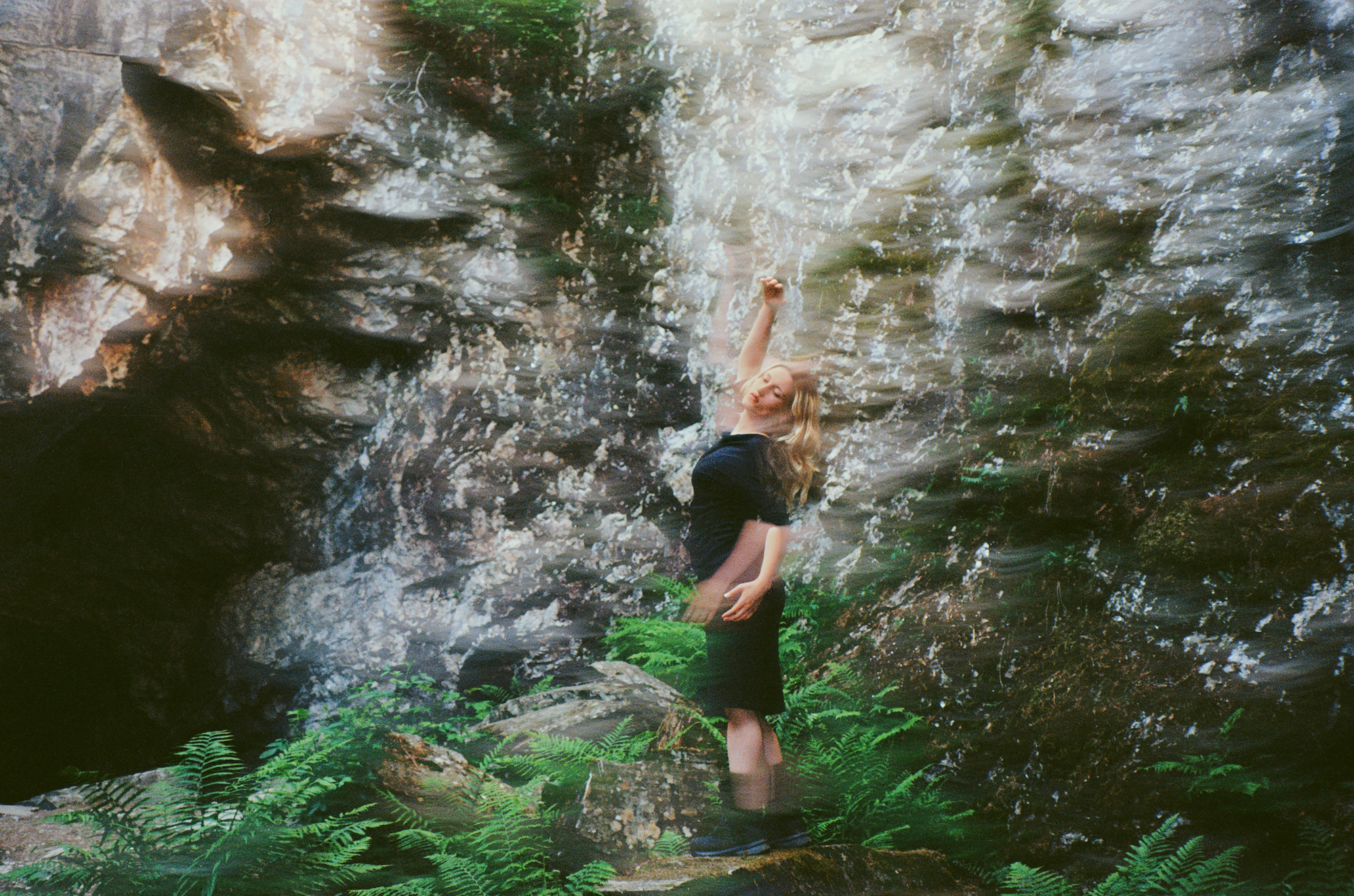
Photo credit: Harry Hibbert
Hi Bea, how are you? Thank you so much for taking the time to answer myquestions. For readers who may be discovering your music for the first time, what’s your story? How did your journey into music begin?
Hey I’m good, thank you and thank you for taking the time to speak with me. I’m a London-born singer-songwriter, and music has been part of my life since the day I was born. I grew up around a lot of different sounds, my parents played great records all the time, I had incredibly passionate music teachers at school and was also taken to a lot of gigs and music festivals growing up. I think I was always drawn to songwriting because it gave me a way to understand myself and the world around me. I started writing very young, mostly privately at first, and over time it became less of a hobby and more of a necessity. Releasing music was terrifying initially, but it also felt incredibly exciting and surreal because I had always dreamed of having my own music out.
You grew up listening to artists like Stevie Wonder, Aretha Franklin and Donny Hathaway. How did those early influences shape the way you approach songwriting and emotion in music?
Growing up with artists like Otis Redding, Aretha Franklin, Carol King and Donny Hathaway definitely shaped me in a huge way. What connected me to their music was the performances, I was obsessed with sitting and watching their live performances and how such passion and beauty could be released from so much pain. There’s so much feeling in those records and none of it feels forced, it feels necessary. Vulnerability can be so powerful!!
You’ve described songwriting as a kind of journal. When you sit down to write, do you usually start with a specific feeling or memory you want to process?
Songwriting is definitely a kind of journal for me. Most songs begin with a feeling that I know needs to be released or a memory. Sometimes it’s very clear and specific, and other times it’s more abstract. Almost like trying to capture the atmosphere of a moment rather than the exact details. I usually write instinctively before I fully understand what I’m trying to say.
Your collaboration with producer Dominick J Goldsmith seems to be an important part of your creative journey. What makes this partnership work so well?
Working with Dominick has been such an important part of this project because there’s a real level of trust and emotional understanding between us creatively. I think the collaboration works so well because neither of us is trying to overpower the song. We’re both listening for what the music actually needs. He’s incredibly intuitive with production, which is a joy to watch.
Under The Yew explores themes of loss, healing and renewal. What inspired the emotional direction of this project?
Under The Yew was born from a period of pretty deep emotional change in my life. A lot of the project explores grief, identity, connection and the process of rebuilding yourself after loss. The yew tree itself became symbolic to me because it represents both death and renewal. There’s this duality to it that really mirrored how I was feeling while writing the record.
You’ve mentioned that you prefer letting music unfold slowly rather than chasing momentum. Was that a conscious decision in today’s fast-paced music industry?
I think choosing to let things unfold slowly was definitely conscious. The pace of the music industry now can make artists feel like they constantly need to be visible or productive, and I’ve realised that way of working doesn’t really allow me to make honest art. I need space to reflect and live a little before I can write something meaningful.
Your single “Anouk” feels incredibly intimate and personal. What made you decide to share such a meaningful friendship through a song?
“Anouk” is probably one of the most personal songs I’ve shared because it’s about such genuine love and friendship. I don’t think platonic relationships are celebrated enough in music, especially the kinds of friendships that really carry you through the hard times. Writing that song felt very natural because it came from gratitude. I wanted to honour someone who had such a profound impact on me emotionally.
The voice note from your friend in the track adds a very touching and human element. How did that idea come about?
The voice note happened very organically. I’d been listening back to old recordings and messages while writing the song, and hearing her voice immediately brought all those emotions flooding back. Including it felt important because it grounded the song in something real and honestly it makes me laugh every time.
Sonically, “Anouk” blends acoustic textures with gentle electronics and ethereal harmonies. How did you shape the soundscape to reflect the emotions of the song?
We wanted “Anouk” to feel intimate but also slightly dreamlike, almost like a memory floating in and out of your head. The guitar part played by Daniel Vildosola bought a lot of closeness, while the electronics and layered harmonies create this feeling of memory drifting in and out. A lot of the production choices were guided by emotion rather than technicality and we were constantly asking ourselves how we wanted the listener to feel while hearing it.
Looking back at your journey so far, what biggest life lessons have you learned so far?
I think one of the biggest lessons I’ve learned is that growth often happens very quietly. So much of life is spent waiting for dramatic turning points, but most real change comes from small decisions. I’ve also learned how important it is to protect your sensitivity rather than seeing it as a weakness. A lot of the things that make creating difficult are also the things that allow you to connect really deeply with people.
Many listeners connect deeply with the emotional honesty in your music. What do you hope people feel or take away when they listen to your songs?
More than anything, I hope listeners feel less alone. I think music can create this really beautiful sense of recognition, where someone hears a feeling they’ve never been able to articulate themselves. If my songs can offer comfort, reflection or even just a sense of companionship to someone going through something difficult, that means everything to me.
You’re building a very unique space in the UK alternative scene. How do you personally define your artistic identity today?
I’m interested in creating work that feels immersive and music that people can use to transport them somewhere else. I’d say it sits somewhere between folk, soul, and alternative music, but I try not to think too rigidly about genre. I’m much more interested in feeling and storytelling than fitting into a particular space.
What are your thoughts on today's music industry? If you could change one thing, what would it be?
The music industry is incredibly exciting in some ways because artists have more independence and freedom than ever before, but it can also feel very overwhelming. There’s a huge pressure to constantly perform online, and sometimes it feels like the quieter, slower aspects of artistry get lost. If I could change one thing, I think I’d want there to be more space for longevity and development.
Finally, what’s next for you in 2026? Are there new songs, projects or live performances we should keep an eye on?
2026 is going to be a really special year. There’s definitely more music coming, and I’m excited to continue expanding the world around Under The Yew. I’ve also been thinking a lot about live performance and creating shows that feel immersive and intimate in the same way the records do. More than anything, I’m looking forward to continuing to grow and letting people deeper into this next chapter.
Connect with Bea: