
Emma See
Emma See is an artist who turns introspection into something quietly powerful. Raised in a creative home in the Danish countryside, she began writing songs at a young age, gradually shaping a sound that feels both intimate and instinctive.
With her latest single “How to Drive”, Emma explores the idea of choosing yourself — even when the future feels uncertain. We spoke with her about her journey, her influences, and the stories behind her music.
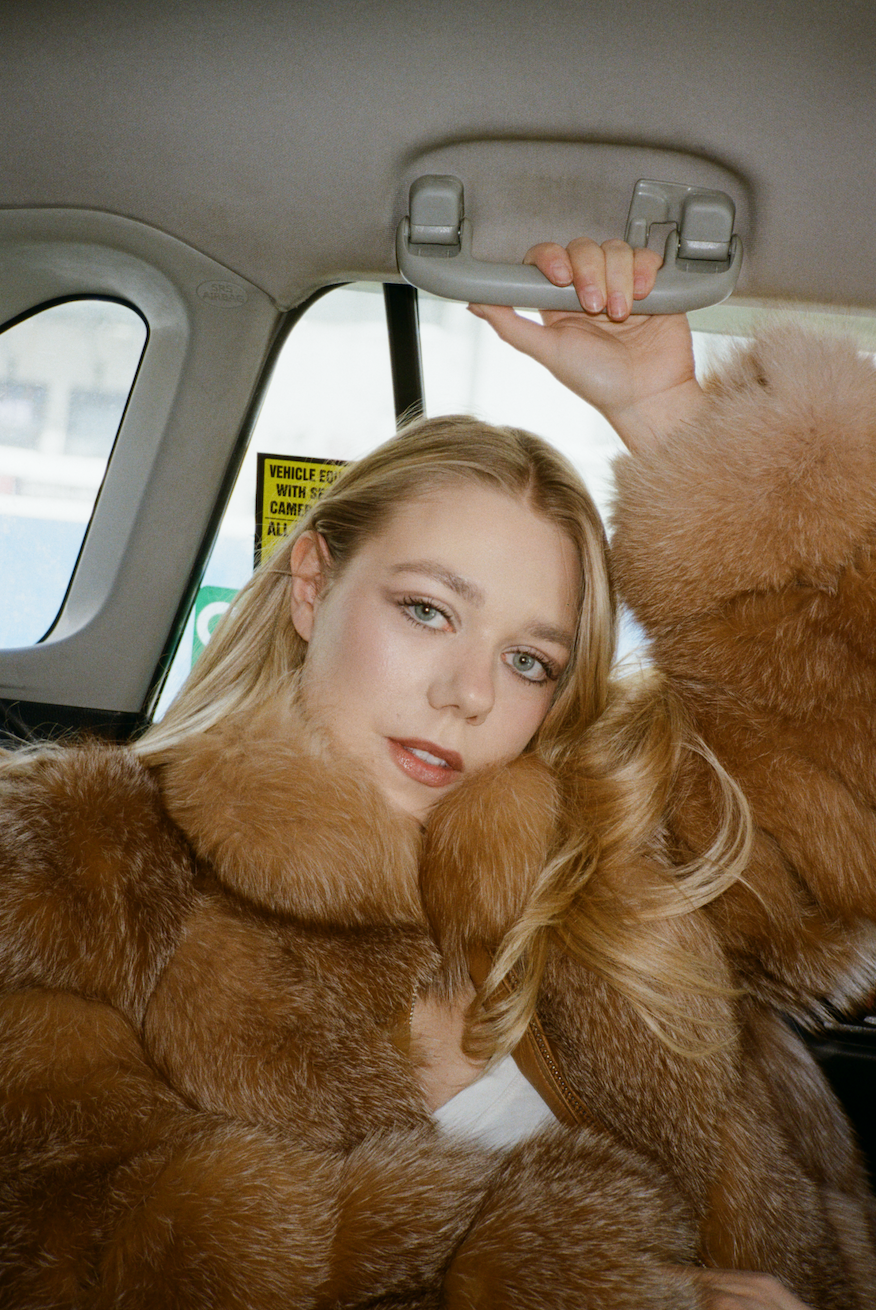
Photo credit: Connor Douglas Fergusson
Hi Emma, how are you? To start with, could you tell us your story?
I’m very good, thank you! How are you? :)
I grew up in the Danish countryside in a very creative home, where creativity was always part of everyday life. I started writing songs when I was about seven, recording in my dad’s home studio in a shed in the garden. From there, it all grew quite naturally- I kept writing and recording, but it wasn’t until I left my childhood home to study songwriting in Brighton that I really started pursuing it more seriously.
Later, I moved to London and since then I’ve been back and forth, collaborating with different creatives, developing my sound and skills as a songwriter. I think my journey has been about following my instinct and gradually understanding what kind of artist I want to be.
You grew up in West Zealand in Denmark — what kind of environment did you grow up in, and how do you think it shaped you today?
I grew up in a very creative, colourful and vibrant home, with both my parents being artists- my dad is a bronze caster and my mum is a painter- both my grandparents were sculptors. So creativity was very much part of everyday life- events like exhibitions and galleries were a very normal weekend activity. It was a childhood filled with music, art, and a lot of freedom to express myself and I was always encouraged to do what I love. Long answer short, I think that environment made it feel very natural for me to express myself creatively from a young age, and it’s probably also shaped the way I approach music now- quite intuitively.
What were you listening to while growing up? Were there any early musical influences or artists that stayed with you?
Early on, I was mostly listening to the music my parents introduced me to- especially through my dad, as we used to record cover songs together in his home studio. I remember listening a lot to The Beatles, Bob Dylan, The Rolling Stones, ABBA and The Chicks to name a few.
As I got a bit older, my love for pop really grew- I remember listening to Britney Spears, Christina Aguilera and Avril Lavigne for hours and hours!
I think growing up with acts like The Beatles and ABBA really gave me a love for strong pop melodies, while Britney made me fall in love with pop as a whole. Avril Lavigne was probably the reason I picked up a guitar and started playing in bands.
You left home as a teenager to study music in Brighton — what pushed you to make that decision at such a young age?
After graduating, I felt a bit unsure about my direction, but I remember thinking that I needed to push myself out of my comfort zone. My mum had lived in the UK when she was younger and always spoke so highly of her time there, so I’d had this idea for a while that I wanted to experience living there myself.
At the same time, songwriting was the one thing I kept coming back to- it was the only thing that had always felt consistent for me. So I started looking into creative universities in the UK and came across a school called BIMM. I ended up calling them to ask how to apply, and two weeks later I was on a plane to Brighton to audition.
My mum and sister came with me, and I remember completely falling in love with Brighton. I got accepted, but I was still quite unsure about going- it felt so far outside of my comfort zone, and I was very much a homebody at the time. Looking back, I’m so grateful I took that leap!
What was your experience like in Brighton as a young artist finding your voice?
I remember it being a really exciting time. I’d always felt a little out of place growing up in the countryside, like I never quite fit in. Then in Brighton, studying songwriting, I felt like a fish in water for the first time. At the same time, I had no idea what I was doing in the beginning- I didn’t really understand the music industry or what a life in music could look like. I just knew that I loved writing songs and singing. So it was a bit confusing as well, but mainly it felt exciting, inspiring, and quite reassuring. I think I grew a lot in confidence during those years, just from being in the right place with the right people.
How has living between Denmark, Brighton, and London shaped your identity as an artist?
I think moving between those places has naturally shaped my perspective. I’ve spent a lot of time being in-between places, and I think that’s influenced both my identity and my songwriting. It might be part of why my music feels quite reflective and searching in a way.
Your music feels very confessional and diary-like — when did you realise that writing in this very personal way was your artistic language?
It doesn't feel like a conscious decision- I think I’ve always written that way tbh- I guess it’s just been refined over the years. For me, it always comes back to authenticity. If what I write feels authentic and true to me, that’s all that matters. But I also think that that’s the kind of music I’ve always resonated the most with myself- the kind that makes you feel something deeply- whether it’s through the honesty in the writing or in the vocal performance- to me it can also be channeled in an instrumentation or production.
Your new single ‘How to Drive’ feels like a turning point. Can you tell us about the story behind it and what it means to you personally?
It came out of a writing camp in Italy. I wrote it with Connor Douglas Fergusson and Steven Ilves there- it was actually the first time we’d ever worked together. I’d just come out of something with someone, and I remember feeling really introspective that day, thinking about past relationships, my own patterns, and where I wanted to go next. So that set the tone for the session. Writing the song with Connor and Steven felt very effortless.
A few months after, I went to visit my dad at my childhood home, where I recorded the final vocals. I then sent it to Steven, who did his magic with it- we had some guitars recorded by Carlos Ukareda and finally Brandon Unis did an amazing job mixing and mastering it.
For me, the song captures that moment where you choose yourself- even without fully knowing what’s ahead. It became a way of letting go of old patterns and accepting that it’s okay not to have everything figured out as you move forward.
You’ve described ‘How to Drive’ as being about choosing yourself, even without knowing the destination — was it difficult to turn such a personal and emotional experience into music?
Honestly, writing about personal and emotional experiences feels quite natural to me. The emotional side of it is probably the easiest part for me- songwriting is often how I process things, so turning something emotional into music feels quite instinctive for me. Obviously Connor and Steven also created a safe space for me to share how I was feeling on the day, which helped massively- having writing partners you feel comfortable with makes such a big difference!
As an artist in a very competitive and demanding industry, what have been your biggest challenges so far? And what do you love the most about being an artist?
That’s a really great question- and I think it’s so important to talk about these things, because you rarely see the downsides on an Instagram highlight reel. You mostly see the glamour, the travelling, all the fun parts. But in reality, it’s a lot of hard work, persistence, and believing in yourself- especially at times when no one else is. I think that might be the biggest challenge actually. It’s always easier when things are going well, but keeping that belief when there isn’t much tailwind is the hardest part.
What I love most about being an artist is being able to express something honestly and then seeing people connect with it- that feeling is really special.
How do you take care of your mental health while navigating the emotional intensity of songwriting, releasing music, and being in the industry?
I think I’m still figuring it out, tbh- finding that balance is an ongoing process.
But having a strong support system is really key. I’m quite good at picking up the phone and calling my mum when things feel tough- and I have a few close friendships that I rely on a lot for honest conversations and support. I’ve also gone to therapy, which has been really helpful.
I try to keep a healthy dialogue with myself as well- treating myself the way I would treat someone I care about, with patience, understanding and empathy. <3
On a more practical note- I work out regularly, try to get enough sleep as well- I also meditate.
Could you share a few records or artists that have influenced the music you’re making today, and what can we expect next from you after this new chapter begins?
Early influences like The Beatles and ABBA definitely shaped how I think about songwriting and melody. More recently, I’ve had Emails I Can’t Send by Sabrina Carpenter on repeat. The songwriters behind that album- Julia Michaels, Amy Allen, and Sabrina herself (to name a few)- are huge inspirations to me. They’re some of my favourite songwriters at the moment.
Moving forward, you can expect more from the world I’ve started building- this next chapter is part of a bigger conceptual project exploring identity and direction.
What can we expect to hear/see next from you?
More music that continues that journey- honest and personal, exploring that balance between vulnerability and confidence. This next release is just the beginning of a bigger story.
I’ve also got a few shows lined up- next one is at Sanger Hall in Brooklyn, New York on April 30th, and then I’ll be playing in Copenhagen on May 7th at URBAN13.
Connect with Emma: