
JES
With a career spanning decades and genres, JES has built a remarkable journey as a singer, songwriter, and artist. From the iconic “As The Rush Comes” to her latest album Dreamer, she has always followed her creativity while staying deeply connected to emotion and storytelling.
In this interview, JES opens up about her upcoming album Dreamer, resilience, self-discovery, mental health, creative freedom, and the lessons she has learned throughout her career. She also reflects on the enduring legacy of “As The Rush Comes” and why, after all these years, she is still very much “On. The. Journey.”
”(You Make Every Day Feel Like) Sunday” is now available worldwide.
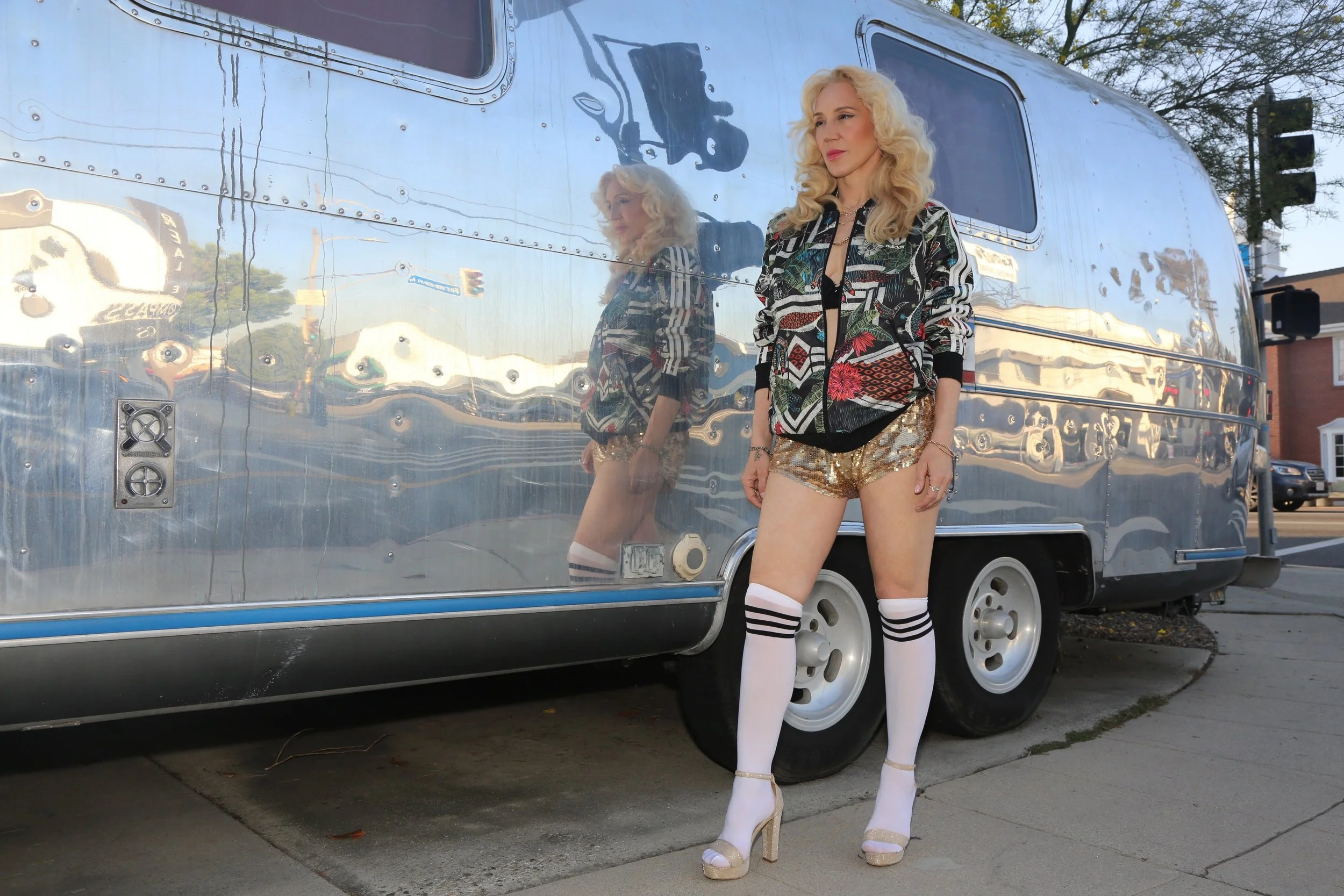
Hi JES, how are you? What's your story?
I'm great, thank you!
My story? Well, it's an ever-changing one. It really starts in New York City, where all I ever wanted to do was make music, sing, write songs, and find any way I could to be around music.
I've spent my career moving between different musical worlds. A lot of people know me through electronic music, but underneath it all, I've always been a songwriter. Whether I'm writing a dance anthem, an intimate pop record, or performing live, I'm always asking the same question: does this make someone feel something?
I get bored very easily, so I need to keep moving creatively. I love exploring new ideas, collaborating with different people, and seeing where the music takes me. I don't think artists should be boxed into one sound or one identity. Every project teaches me something new, and I think that's what keeps the music honest and keeps me inspired.
At the end of the day, it's never really been about the genre. It's about creating something that connects with people on an emotional level. That's the thread that's run through everything I've done.
”(You Make Every Day Feel Like) Sunday” opens Dreamer with a message about slowing down and appreciating the present moment. Why did you choose this song to introduce the album?
I think it's less about slowing down and more about finding a moment of peace, letting go of distractions, feeling completely present, and allowing yourself to be at ease.
For me, this song captures something we're all searching for, but don't experience every day. It's that rare moment when life feels simple, and everything is exactly as it should be. I love songs that stay with you long after the music stops, and I hope this is one of those songs. I wanted people to carry that feeling with them even after they've finished listening.
It felt like the perfect way to begin the emotional journey of Dreamer. The album moves through a wide range of emotions and experiences, so I wanted to open the door with something warm, hopeful, and full of possibility. It invites the listener into the world of the album before the deeper questions and bigger moments unfold.
One of the lyrics says, “you make my world hit pause.” In a world that often encourages us to constantly achieve more and move faster, what does “hitting pause” mean to you personally?
To me, "hitting pause" means being completely present. It's that rare moment when you don't have to think about everything that's waiting for you tomorrow or everything you should be doing. You're simply there, free to enjoy what's happening right in front of you.
It's the kind of moment where you lose yourself in an experience, in a conversation, or in being with someone you love, and for a little while, the rest of the world fades into the background. That's what the lyric really means to me. It's not about stopping time; it's about finding the freedom to be fully present within it.
Dreamer is described as your most personal album to date. Was there a particular moment or experience that inspired you to create this record?
I think the last couple of years have brought a lot of change into my life, as they have for so many people. There was a lot of reflection during that time. I lost a close family member, I lost a studio that I loved, and I moved back to New York for half of the year. There were a lot of unexpected changes and new chapters happening all at once.
Through all of that, I found myself writing a lot. The album actually started out completely differently from where it ended up. It wasn't something I had a clear vision for from the beginning. It kind of revealed itself over time.
The songs really led me through the process, one by one. Each song captured a different moment, feeling, or experience, and eventually they all came together to become Dreamer. Looking back, I think the album became a reflection of that whole period of change and everything I was moving through.
Hope, resilience, and self-discovery are at the heart of Dreamer. What message do you hope listeners will carry with them after hearing the album?
I hope they'll feel heard and maybe get to know me a little more. I'm speaking to them as someone who feels many of the same things they do and goes through many of the same experiences.
There's a song on the album called Be Good to Yourself, and it's kind of a letter to myself and to everyone. It's something we all have to remind ourselves of from time to time because sometimes we're the last person we take care of, and the last person we're kind to.
The difficulties of life, the heartache, as well as the excitement and joy, are all shared experiences. I just want people to know that I understand what they're going through, that they will get through it and be stronger for it, and that no matter what life throws at them, they should keep going, keep creating, and keep pursuing what they love.
Throughout your career, you’ve never let yourself be confined by one genre. How do you know when it’s time to explore a new musical direction?
For me, it always starts with the song. A great song can be framed in so many different ways, so the goal is always to write the best song possible, regardless of the genre.
I'm usually working on a lot of songs at the same time. Every day I'll open a few different projects and see if I can move them forward, so I always have ideas from different genres evolving alongside each other.
Sometimes I'll spend a while concentrating on dance music, and when I've finished that project, I'll naturally feel like exploring something different. I don't really decide to change direction; it just happens organically. I tend to follow whatever excites me creatively in that moment, and I've learned to trust that instinct.
Your voice has become one of the most recognizable in electronic music. After all these years, what does singing still mean to you personally?
I've been singing for so long that it's become such a part of who I am; I can't really separate it from myself. It's just part of my identity.
I don't even have one of those voices that just rolls out effortlessly. Mine is a voice I have to work for. I have to train it, push it, and take care of it. It's very physical. It's like exercise, and I actually enjoy that challenge.
To me, singing is a language. It's a vibration, and there's something really special about communicating that way. I always say everyone should sing, whether they're a professional or not, because it's another form of expression and connection.
Singing is another way I connect with people, and in many ways, it's how I identify myself.
Looking back at “As The Rush Comes,” did you ever imagine it would become such an iconic record and still resonate with listeners decades later?
I don't think I knew then that it would have such a long life. I certainly hoped it would, and I think we all felt while we were making it that there was something really special about it. I remember having this gut reaction to the song. Our original demo was actually a little different, but it already had this really identifiable vibe and sound.
At that time, records really grew over time. We watched As The Rush Comes rise from the underground, and it was amazing to see how people embraced it. But even when it became such a big record, I never imagined it would transcend time the way it has.
Amazingly, people are still discovering it and connecting with it all these years later. That's something I never could have imagined, and I'm incredibly grateful for it. You can never predict something like that, and as a songwriter, it's a real gift.
You’ve collaborated with so many incredible artists throughout your career. What have those collaborations taught you about yourself as both a songwriter and a person?
I think it's taught me that there's no one way to make music. Everyone has a different process, and that's one of the things I find most interesting about creating together.
I always look forward to collaborating because I learn something every time, not just about the other person, but about myself too. It's fascinating how differently we all think and create, and it's made me a much more open songwriter.
It's also taught me to trust my own voice and instincts, to speak up, and not be afraid to share an idea if I really believe in it.
More than anything, it's taught me about friendship and sharing the creative process. There's nothing more valuable or expansive than making music with other people, because music is about life, and life is about people.
You’ve experienced the music industry through many different eras, from physical releases to streaming and social media. What has been the biggest lesson you’ve learned about building a lasting career?
It's definitely been interesting to experience all the different eras of the music industry, but they've all taught me the same thing: you have to keep going. Keep growing, keep getting better, believe in yourself, and keep moving forward.
It's not easy, and with new technology there's so much more you can do than ever before. It's important to move with the times. Even the social media strategies that worked last year are different this year, so you have to keep watching, learning, and adapting, even if you have a great team around you.
It's an exciting time because we have more control than ever over getting our music out into the world. But you also have to take care of yourself. You can't just keep pushing until you crash and burn. Looking after your physical health, your mental health, and your nervous system is just as important, because that's what allows you to stay creative, inspired, and make music for the long haul.
Having positive, supportive people around you is also incredibly important. The people in your life can either lift you up or drain your energy, so surrounding yourself with people who believe in you and encourage you really makes a difference.
You also can't get discouraged. It's so easy to compare yourself to others or lose confidence, but if you can stay strong mentally and physically, keep learning, keep adapting, and continue to grow as an artist, I think that's how you build a lasting career.
As an independent artist running your own label, you’ve chosen creative freedom. What advice would you give to emerging musicians who are trying to balance artistic authenticity with the business side of music?
I think I'd say to try and keep the two as separate as possible because the business side can easily affect the creative side. Set aside specific time to deal with the business, then step away from it and get back into your artist mindset when you're creating or writing. That balance has really helped me.
I'd also say don't expect the music business to be easy or fair, because it usually isn't. If you go into it knowing there will be challenges, setbacks, and things outside your control, you won't be as disappointed when they happen. Instead, you can stay focused on what you can control: making great music, continuing to develop as an artist, and building genuine connections with your audience.
At the same time, know your business. Study it. Make sure you understand every part of it so you can stand up for yourself, protect your intellectual property, and make informed decisions. No one will ever care about your career as much as you do, so the more knowledgeable you are, the stronger you'll be.
Above all, make the best music you can, stay curious, and never stop learning, both creatively and professionally.
Every creative journey comes with moments of doubt. How do you deal with creative blocks or those moments when confidence feels difficult to find?
That's a great question, and I think it's one of the most important things when it comes to sustaining a creative life.
I wouldn't say I'm the best at dealing with it. Something can happen, or I'll hear something, and it can really affect me. But over time I've developed a much thicker skin, and I've learned that those feelings always pass. More often than not, I come out better for having gone through them.
I know myself well enough now to know that if I sleep on it, I'll usually feel completely different the next day. Whatever I'm feeling will pass through me, morph into something else, and eventually disappear.
In the heat of the moment, though, when it's really bothering me, I'll call a friend, go for a walk, get some exercise, or pick up the electric guitar and just record whatever I'm feeling. Sometimes that's all it takes to turn the emotion into something creative.
I've also learned that self-doubt never really goes away. If anything, as you grow and push yourself, there are even more opportunities to question yourself. So you have to develop a sense of humor about it, not take everything so personally, and just say, "Next!" Then you get back to creating.
When it comes to creative blocks, I used to believe in them and think I had them. But now I see them a little differently. Sometimes it's just a form of resistance or not wanting to do the work, because you're not always going to feel motivated. You have to learn to motivate yourself and have discipline with your craft.
Creating is work as much as it is play. Sometimes you just have to let go and do it whether you feel inspired in that moment or not. Even if you don't create something amazing every time, you've still done something good for yourself by showing up and staying connected to your craft.
Mental health has become a much more open conversation in recent years. How do you protect your own well-being while navigating the demands of a long international career?
It's a day-by-day process. I think you have to actively work on having a positive attitude and trying to see the glass as half full.
For me, so much of my mental strength comes from my physical strength. I exercise every day because I need to feel strong from within and without. It has a huge impact on how I feel mentally and emotionally. I love yoga and calming practices, and I try to meditate as much as I can. I'm spiritually connected to everything, so staying in that space really helps me.
I also love reading and listening to things that help me grow, whether that's working through emotional hurdles or understanding things I want to change and improve about myself. There are many!
I'm actively aware of my mental state all the time. I pay attention to the signs that tell me I might need more support and try to be proactive about taking care of myself. I'm far from having everything figured out, but I'm always working on myself.
Music is also a huge part of that. They say music is therapy, and I really believe it is. Whether you're creating it or listening to it, music has the ability to lift you up, change your mood, help you process emotions, make you think and feel, and keep you connected to yourself. To me, it's a kind of miracle medicine.
Your music often feels deeply emotional and comforting. Have fans ever shared a story that reminded you why you make music?
That's one of the most special and rewarding things an artist can hear. I've heard many stories from people who have shared how the music helped them, how it got them through difficult times, how they fell in love with it, and how it made them feel heard. I love hearing those stories because that's really what music can do.
I was once having lunch at a hotel when there was a wedding taking place next door. All of a sudden, I heard a downtempo version of one of my songs being played for the couple's first dance. Experiences like that are just incredible.
You never know where your music is going to end up or what part of someone's life it will become. Those are the moments that remind me why I do this.
If you could go back and speak to the young artist recording in New York before the world knew your name, what would you tell her today?
First, I would tell her not to be naive. You are your own strongest advocate, so stand your ground and trust yourself. Be smart and try to make good choices. The choices you make become the foundation of your success.
Be organized and take care of the business side with the same energy you have for the music. Register your songs properly and keep your paperwork in order. Even if it's just a one-sheet or a simple agreement, make sure you have a record of people's intentions and commitments before you start working.
Don't pay too much attention to negative people or outside opinions. Stay the course, keep building on your strengths, and keep working on becoming the best artist you can be. Keep your supportive friends close because those people are important.
Most importantly, focus on being great, because no one can ever take that away from you.
Finally, if Dreamer could be described in just three words, which three would you choose, and why?
On. The. Journey.
I think those words describe Dreamer because the album is rooted in movement and transition. Dreamer is about becoming, not arriving. It's about moving through life with curiosity, embracing change, and finding meaning in every chapter. This album captures one moment on that path, knowing there will always be another horizon, another story, and another dream waiting beyond it.
Connect with JES: