
Wynd
Blending indie folk, analogue textures and a deep sense of nostalgia, Wynd invites listeners into The Shores, his debut EP, out now. Recorded on a weathered 4-track cassette recorder by the shores of Odsherred in Denmark, the EP feels like a quiet retreat into nature — a place where memories, longing and the passage of time can unfold.
After spending several years in London working as a producer, musician and songwriter, collaborating with artists from the worlds of Afrobeats and rap, Wynd found his way back to a more intimate and stripped-back approach to songwriting. Inspired by the sea, nature and the folk sounds of the 60s and 70s, The Shores explores the bittersweet space between holding on and letting go.
Ahead of the EP’s release, we caught up with Wynd to talk about his creative journey, the power of nostalgia, the stories behind his songs, and how returning to a more experimental and analogue approach helped him discover a new chapter in his music.
The Shores is now available everywhere.
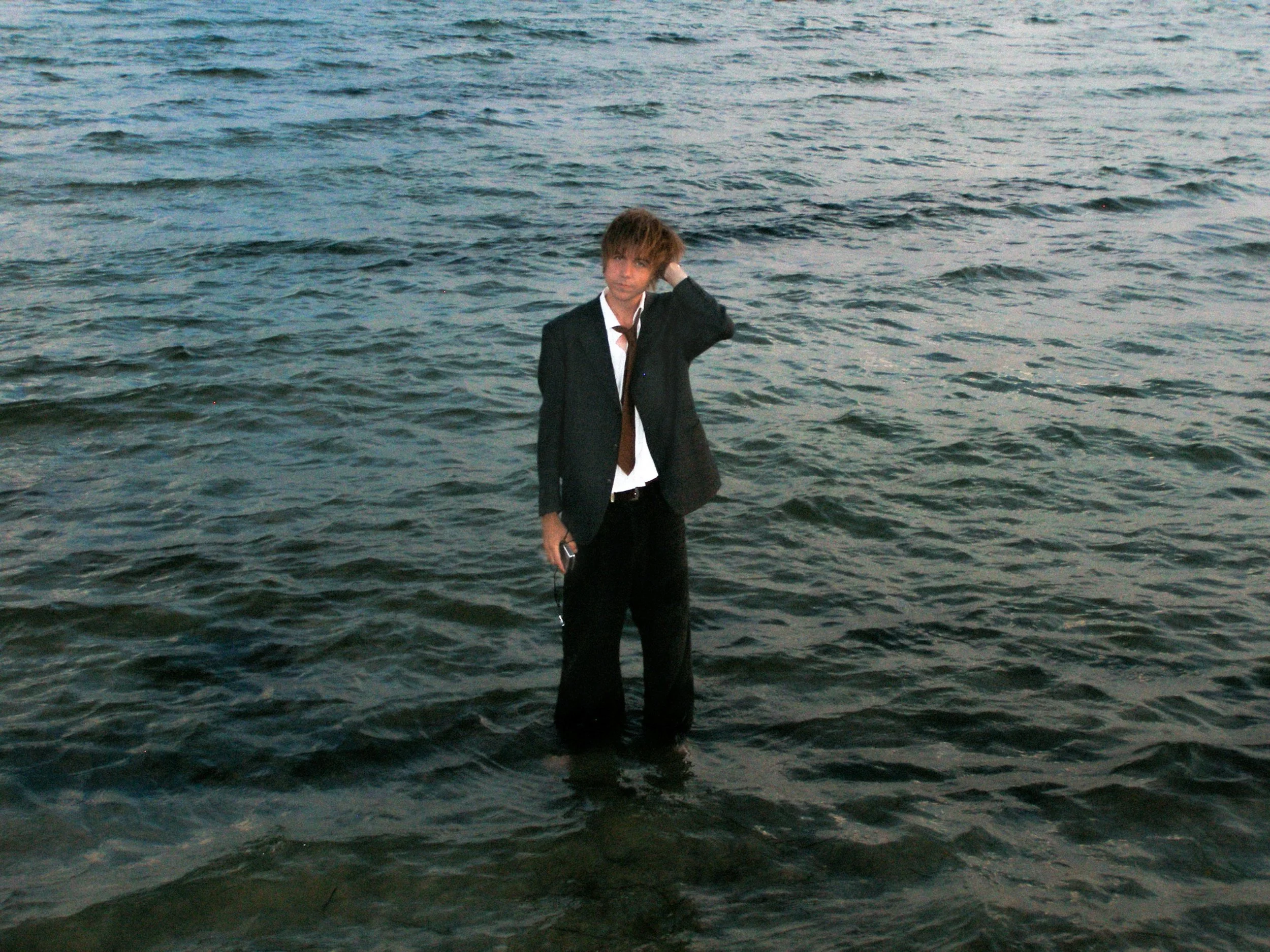
Photo credit: Kasper Leegaard
Hi there, how are you?
I’m great, thank you! Excited to be talking to you.
Your debut EP, The Shores, was recorded on a weathered 4-track cassette recorder by the shores of Odsherred. What drew you to such a raw and analogue way of making music?
As a producer, I've worked in many genres, especially in pop and indie, which is oftentimes a more digital approach, with many layers and production elements. With my EP, I wanted to go back to a more direct, honest approach, when making songs. Working analogue forces you to make decisions and commit to the takes you record - it makes for a more authentic performance in my view.
There’s a beautiful contrast in your music between melancholic lyrics and a sense of warmth and optimism in the melodies. Is that contrast something you create consciously?
I'm glad you picked up on that. I'm drawn to the contrast between lyrics and the music I think. Lyrically, this EP was very much about the isolation and sense of longing I felt at the time, while melodically, I was very inspired by folk-melodies, which oftentimes feel very warm and uplifting. So there's this interesting contrast, which came about naturally.
The sea and nature seem to play an important role in the world of The Shores. What does the ocean represent to you as a songwriter?
In the area of Denmark I'm from, the sea is a 5 minute drive in any direction basically. So I was always surrounded by the ocean and it's a part of my musical identity, along with being close to nature in general. I think, as a musician, I've gone through many transformations and worked in many different genres, whereas this project symbolised the constant things in life, such as nature and the sea.
You describe the tide as an “eternal, irreversible process” that slowly reshapes the shoreline. How does that idea connect with the way you think about memories and the passing of time?
I like to mirror my feelings in natural processes. I think the imagery of how the tide cuts into the shore is immensely powerful and spoke to me in a big way. It made me think of changes in life, past relationships and how to slowly move on from pain.
Your single “Hopeful” explores the difficult moment when feelings remain long after a relationship has ended. Do you think hope can sometimes help us heal, or can it also make it harder to let go?
Looking back, when I wrote ‘Hopeful’ I think remaining in that feeling made it harder to let go. Writing the song helped me heal though and when I’m performing the song live now, it’s a very distant feeling.
“Amelia’s Daughter” imagines a phone call to someone’s mother many years after a breakup. What inspired you to tell this story from such an unusual and intimate perspective?
I was listening to a lot of Tom Waits at the time, who has a few songs involving calling or contacting an old lover. I thought taking it one step further would be an interesting twist to that songwriting tradition. It’s a song that resonates deeply, even though it’s told from a perspective of someone much older and offers such an unusual perspective, like you said.
There’s a strong sense of nostalgia throughout the EP. What is it about the past that continues to inspire you creatively?
To me, nostalgia is the most powerful feeling, especially what I like to define as broken nostalgia. There's something very moving about memories being slowly morphed and shaped by time. A lot of my influences are 60’s and 70’s artists and my approach is obviously analogue, tape-driven, so sonically I think nostalgia creeps into the recordings in that way as well.
“House By The Coast” is about wanting to buy a house for your mother as a thank you for the sacrifices parents make. How important is family to your creative identity?
Very. I don’t come from a musical family but I’m forever grateful for my parents’ continued support of my music. As an only child, having free reign to be creative has shaped me into who I am today. This song is a testament to that gratitude.
Before Wynd, you spent around seven years in London working as a producer, musician and songwriter with artists from the Afrobeat and rap worlds, including Skepta, Rema, Headie One and Libianca. What did that experience teach you that you now bring into your indie folk music?
The biggest lesson from all those musical experiences is definitely the different approaches that are available when making music. For a long time I thought being a pop-producer was the right path for me. Coincidentally, it made me fall even more in love with indie-folk. But I am very grateful for my journey and recognise how crucial those experiences were for me to make the music that I make now.
Was creating Wynd a way of discovering a different side of yourself that you couldn’t fully express through your previous work?
It feels almost more like returning to my more experimental work, before moving abroad. Obviously, the themes on ‘The Shores’ EP are universal in some way but it was definitely a re-experimentation with chords, lyrics and instrumentations I was attracted to when I was younger.
Your early demo recordings have reached listeners around the world and attracted attention from outlets such as Ones To Watch and The Luna Collective. What was it like seeing such intimate, homemade recordings connect with people you had never met?
Seeing the homemade VHS videos reach such a broad audience was a really surreal feeling. I posted the first idea of ‘Go Back’ sort of on a whim, as I had just written the riff and seeing it attract that kind of attention was incredible.
If The Shores were a place rather than an EP, what would it look and feel like — and what would you hope listeners discover there?
For me, it’s a place of reflection, a retreat into nature. I wished to encapsulate the sound of a fading memory, as a way of looking back one last time, before moving on. I hope listeners take the time to delve into painful memories, if only just for the duration of the EP, as a way of letting go of the past.
Connect with Wynd: